





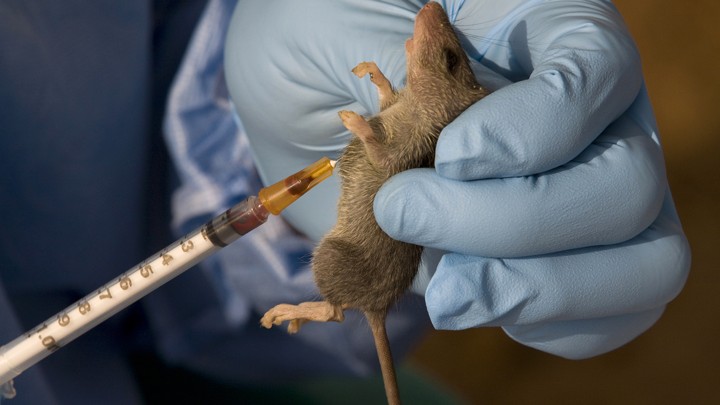
Specimen transport costs, data gaps hindering Lassa fever response -NCDC
Nigeria Centre for Disease Control and Prevention (NCDC) says high specimen transportation costs, reporting inconsistencies, weak data validation systems are affecting timely detection and response to Lassa fever cases in some states.
Dr Jide Idris, Director-General of NCDC, said this in an interview with News Agency of Nigeria (NAN), on Monday in Abuja.
Idris explained that transporting samples from remote communities to state laboratories remained expensive and logistically challenging, particularly in hard-to-reach areas.
According to him, getting specimens from local areas to state hospitals is costly and fuel prices and transportation challenges affect turnaround time.
“While zonal laboratories have improved testing turnaround times compared to previous years, performance varies across states.
“Some states are doing better than others. We monitor parameters such as detection timelines, reporting within 24 hours and response within 48 hours under the 7-1-7 surveillance benchmark.”
The 7-1-7 target refers to detecting suspected cases within seven days, reporting within one day and initiating response within seven days.
He noted that though NCDC coordinated nationally through its Incident Management System (IMS), outbreak control ultimately depended on state-level execution.
“If states do not coordinate properly, there will be chaos. Case management is done at the hospital level. Doctors are there, but the system must function,” he said.
He also raised concerns about parallel reporting systems, revealing that some teaching hospitals have confirmed cases without reporting to state authorities.
“In one instance, suspected cases were recorded in a teaching hospital, with one confirmed case, without the state government being informed. That created a gap in surveillance,” he said.
He also explained that discrepancies sometimes arose when different institutions collect data independently, leading to variations between federal and state figures.
“We rely on validated data. If information is circulated without proper validation, it gives a wrong picture and can cause confusion,” he said.
He added that connectivity challenges and limited resources at facility level also affected real-time reporting.
“In some facilities, there is poor internet connectivity or lack of funds to procure data. These are operational realities that affect reporting timelines,” he said.
On community response, he said awareness materials were disseminated in local languages, but funding for sustained engagement remained limited in some states.
He stressed that outbreak control required strong dialogue with Commissioners for Health and improved coordination between state governments and tertiary institutions.
He added that while federal authorities provide coordination and technical support, effective outbreak containment required ownership at the state level.
“We do our best, but response cannot happen without state-level support and validated data,” he further said. (NAN)