

Oborevwori and party realignment, by Pius Mordi
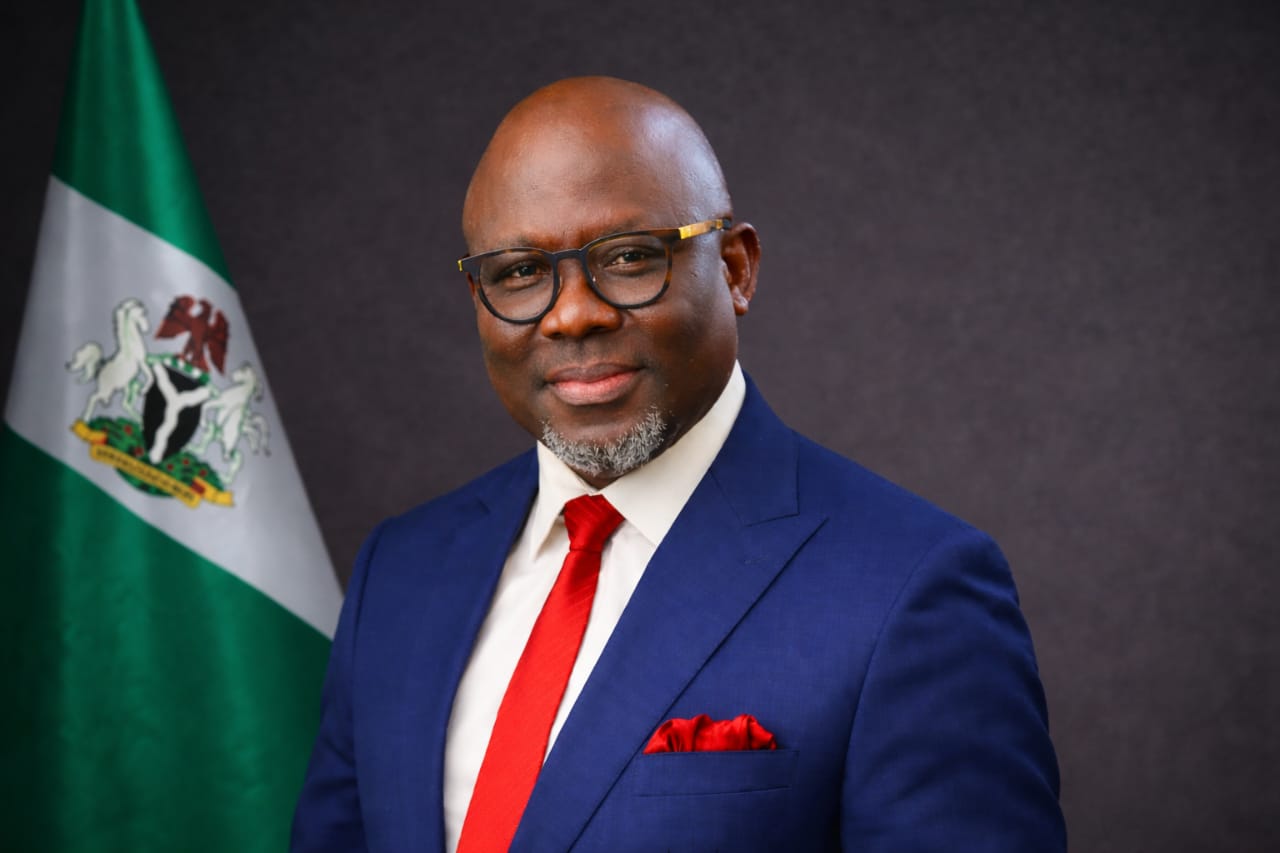
When on April 23, 2025 Sheriff Oborevwori, governor of Delta State, dumped PDP and pitched his tent with APC, it jolted not just the political class in the state but the entire Deltans. As an immensely popular governor in the state, apart from his close circle, not many agreed with the move.
Since the birth of the fourth republic, the Peoples Democratic Party had dominated politics in Delta. It was such that the dictum “PDP is Delta and Delta is PDP” gained currency. And it was truly the case. Securing the ticket of the party was as good as having won the election. Every structure was almost entirely held by the party.
Just a year down the line, Oborevwori has been vindicated by April 2025 move. He was the first governor to dump his party and move to APC. His decision triggered a bandwagon effect that culminated in almost all governors in opposition parties picking up the broom. The few who didn’t, and there are only two of the four, practically aligned with the occupant of Aso Rock. For Bauchi’s Bala Mohammed and Oyo’s Seyi Makinde, they did not have to contend with the uncertainties their peers who are seeking re-election have to deal with.
How did Oborevwori foresee the tumultuous future awaiting PDP? In April last year when he left the party, the crisis in the party was nowhere near the hopeless stage it is in now. Although several hypotheses were propounded to explain his decision, the Delta governor has not been given the due credit he has earned. He has proved to be more perceptive and calculating than even his admirers had expected.
As Funkekeme Solomon, Senior Policy Adviser to the Delta State governor said, PDP by April last year was already a shipwreck. “It was sliding rapidly. If he had stayed behind, he would have been contending with the situation the party is in now”, Solomon who superintended the successful state political campaigns across three consecutive electoral cycles from 2019, said, adding, “he also wanted Delta to align with the centre”.
Among the stories that trended at the time Oborevwori dumped PDP was the thinking that Ifeanyi Okowa, his predecessor that also paved the path to his emerging as governor, may have prodded him. But there is nothing to support that storyline.
Oborevwori’s move has become a stunning masterstroke. With the benefit of hindsight, his political family now see him as a tactician beyond what they initially thought. He is steadily building his own brand while still maintaining a cordial relationship with his predecessor. Unlike some of his peers in other states, Oborevwori was able to navigate the thin line between being assertive and loyalty to a political leader. Inability to manage such line that can be likened to a banana peel, if not well managed, can throw huge thorns on the political pathway. Simi Fubara can relate with that in Rivers State.
Oborevwori chose to chart a peculiar path for himself that initially made the people to question the necessity for him to join the ruling party. To the average Deltan, his path has been paved by the general acknowledgement that he has distinguished himself in project delivery that has earned him the appreciation of the people.
However, political realignment represents a strategic shift in party coalitions, often driven by the need to follow a new vision when old paths no longer serve the goal. It is characterized as a “disruptive” transformation aimed at better representing the people’s interests and a necessary step to prevent the breakdown of outdated systems. It is not betrayal; rather, it is the courage to follow a vision when old paths can no longer carry the dream.
As Jacque Fresco, an American futurist and self-described social engineer said, “If our system continues without modification involving environmental and social concern, we will face an economic and social breakdown of our outdated monetary and political system.”
A new and, some may say, strange political engineering is emerging in Nigeria. The question, however, is if it can live beyond this administration that has invented the new way of handling opposition parties.