




Ebola: Nigeria reports 80% risk communication, community engagement readiness
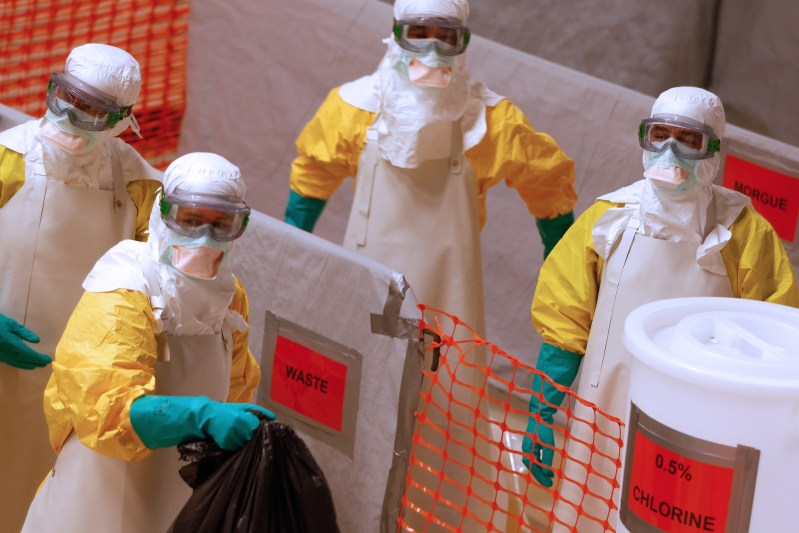
Nigeria has reaffirmed its commitment to Ebola preparedness, reporting 80 per cent readiness in Risk Communication, Community Engagement (RCCE) and Infodemic Management though it has no confirmed Ebola case.
Dr. Jide Idris, Director-General, Nigeria Centre for Disease Control and Prevention (NCDC) said this on Thursday during the second Ebola RCCE+IM preparedness webinar.
Idris said that the webinar was focused on strengthening infection prevention, risk communication and community readiness at points of entry, health facilities and communities before any outbreak occurs.
He said that Nigeria must prepare before detecting the first Ebola case rather than responding after infections emerge.
According to him, preparedness extends beyond case management to strengthening border surveillance, protecting healthcare workers and providing communities with accurate, timely and trusted public health information.
He said that public trust and sustained community engagement remained as important as clinical preparedness in preventing and containing disease outbreaks.
Idris said that the findings from a national Infection Prevention and Control Preparedness assessment was conducted across Ebola treatment centres to identify strengths, weaknesses and priority investment areas.
“The assessment establishes a baseline for measuring readiness and guiding improvements before any Ebola outbreak occurs in the country.
“The lessons from previous Ebola outbreaks demonstrate that effective communication and community participation significantly improve emergency preparedness and outbreak response,” he said.
He noted that responding promptly to misinformation has become an essential component of preparedness because public confidence depends on credible, evidence-based communication.
The D-G examined community insights, public perceptions, emerging rumours and communication priorities gathered through extensive social listening activities nationwide.
He said that findings showed increased public awareness following Ebola outbreaks in the Democratic Republic of the Congo and Uganda, particularly among border communities.
“Communities near Nigeria’s borders expressed concerns about cross-border transmission and demanded reliable information regarding screening, surveillance and national preparedness measures.
“To counter misinformation, NCDC has distributed myth-versus-fact materials, public health advisories, frequently asked questions and evidence-based communication messages nationwide,” he said.
According to him, officials observed frequent comparisons between Ebola and COVID-19, with many citizens expressing fears of possible movement restrictions and similar emergency measures.
He said that community sentiment analysis revealed predominantly positive and neutral attitudes, although conspiracy theories, distrust and stigma continue to circulate across some digital platforms.
Idris, however, said that continuous social listening enables authorities to identify public concerns early and develop communication messages that directly address misconceptions and information gaps.(NAN)