






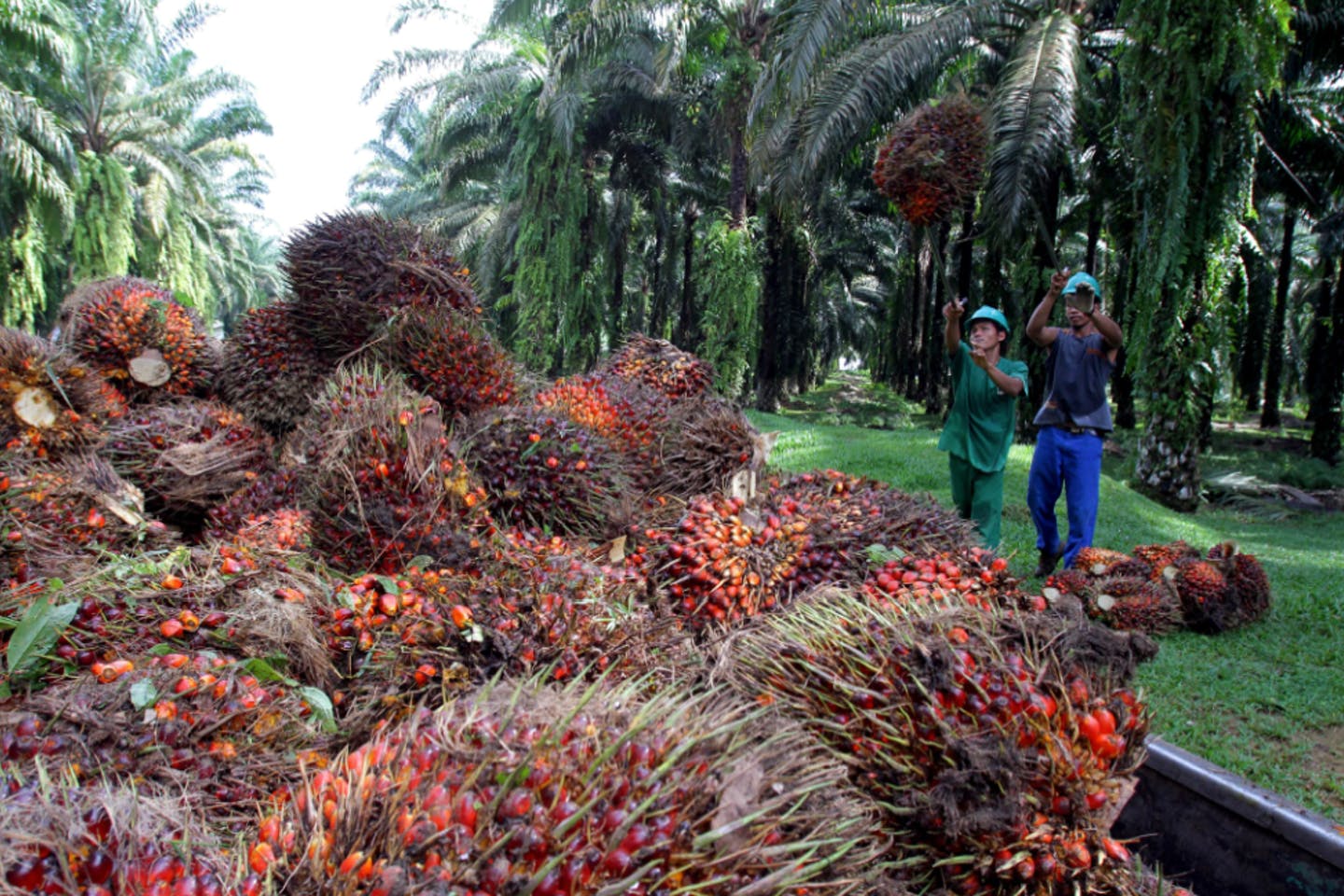
Consumer Alert: Growing menace of adulterated Palm Oil in Nigerian markets; how to identify them, by Libby Offem-Oke
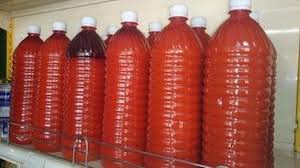
In recent times, adulteration of palm oil has become a serious and widespread issue across major markets in Nigeria, posing health risks to consumers.
Unscrupulous operators are deliberately tampering with genuine palm oil, diluting and treating it with harmful substances to increase volume and profit. This practice undermines the integrity of the palm oil market and poses grave health risks to consumers.
Recent investigations have shown that in bustling open markets like Mile 12, Jankara, Ikotun, Mushin, Ajegunle, Ile-Epo (Lagos) and other hubs across Ibadan, Potiskum, Jos, Abeokuta, Owerri and beyond, adulterated palm oil is being sold openly. These products are often cheaper and visually more vibrant; a deceptive tactic that appeals to price-conscious buyers.
How it’s done
Traders mix genuine palm oil with water, industrial dyes, colourants such as Sudan red or azo dyes, and even substandard oils to boost volume and give the oil a deeper red hue. Some reports also point to addition of unsafe fats or non-food-grade substances to manipulate appearance and thickness.
Market Pressures Driving the Menace
– Nigeria’s demand for palm oil far exceeds local supply with production meeting only part of the national requirement creating a supply gap that fuels illicit practices.
Rising prices: In many markets, a 25-litre keg now trades significantly higher than previous years, putting financial pressure on households and tempting buyers toward cheaper, adulterated alternatives.
Health Risks You Need to Know
These adulterated oils are not just a dishonest business practice, they are a public health hazard:
– Carcinogenic chemicals: Some colourants used (like Sudan dyes) are not approved for food and may contribute to cancer risk.
– Organ damage: Long-term ingestion can harm the liver, kidneys, and heart, potentially leading to chronic disease.
– Digestive disorders & food poisoning: Consumers may suffer gastrointestinal distress, allergic reactions, and immune disruption.
– Weakened nutritional value: Adulteration strips genuine palm oil of its natural nutrients like carotenes and vitamins, robbing your diet of essential components.
Economic & Consumer Impact
– This menace undercuts legitimate producers who play by the rules and maintain food safety standards, making it harder for them to compete on price.
– Cheap adulterated oil distorts market pricing and erodes trust in palm oil brands, harming both producers and honest retailers.
How to Protect Yourself
– Buy from trusted, verified sources reputable dealers or brands with traceable supply chains.
– Avoid oil that looks unnaturally bright, overly red, or excessively cheap.
– Watch out for oil that separates quickly, smells unusual, or discolours food in a way that seems abnormal.
– Check for proper packaging and, where available, NAFDAC registration details.
Final Warning
Your health is more important than saving a few naira today.
Adulterated palm oil is not just low quality, it is potentially toxic and harmful when consumed regularly.
Do not be swayed by attractive pricing or colour alone. Be smart, be informed, and always prioritise safety and nutrition when choosing palm oil for your home.
Together, we can protect our families, support honest traders, and demand safe, unadulterated palm oil in every market across Nigeria.
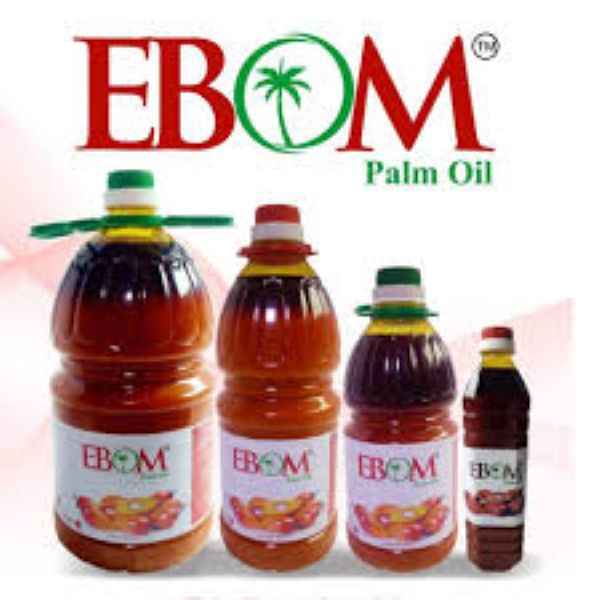
- Libby Offem-Oke is the CEO/Founder of Ebom Oil, one of the healthiest palm oil in Nigeria.