
The IMF on Tuesday warned of risks surrounding Nigeria’s plan to borrow up to $5 billion through a derivatives agreement with First Abu Dhabi Bank, saying such transactions are often opaque and complex.
Nigeria’s Senate in April gave its approval to the agreement, joining other Africa borrowers like Senegal and Angola who have tapped similar arrangements over the past year.
“Our view is that the transaction in these types of structures carry risks. Usually they are opaque so the terms are not always very transparent when we reviewed these instruments across countries,” Christian Ebeke, IMF mission chief in Nigeria told reporters.
Ebeke said Nigeria could instead issue eurobonds to finance its deficits or other means to raise funding, including on concessional terms.
Nigeria intends to use proceeds from the total return swap, or TRS, to refinance expensive debt and pay for infrastructure.
In its latest Article IV review, the Fund praised Nigeria’s sweeping reforms, saying they had strengthened economic stability and investor confidence, but warned that the benefits had yet to reach millions of citizens and could be undermined by global shocks, including the Middle East conflict.
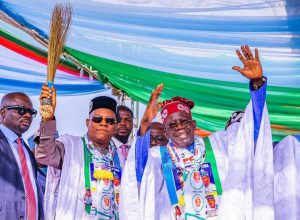
The reforms since 2023 under President Bola Tinubu – including fuel subsidy removal, tighter monetary policy and exchange rate liberalisation – had rebuilt buffers and improved macroeconomic management, the IMF said.
However, it cautioned that the reforms were also contributing to social strain, with poverty levels at 63% and millions facing food insecurity, underscoring a widening gap between macro gains and household realities.
But reliance on volatile foreign portfolio investment poses rollover risks, the IMF said, urging a shift towards more stable, long-term capital such as foreign direct investment.
REUTERS