



IMF-World Bank Meetings: Nigeria to Seek Global Support as Middle East Conflict Strains Domestic Reforms
Nigeria will formally request enhanced international financial assistance at this week’s IMF-World Bank Spring Meetings in Washington, as the ongoing conflict in the Middle East drives up domestic fuel costs and threatens the country’s ambitious economic recovery.
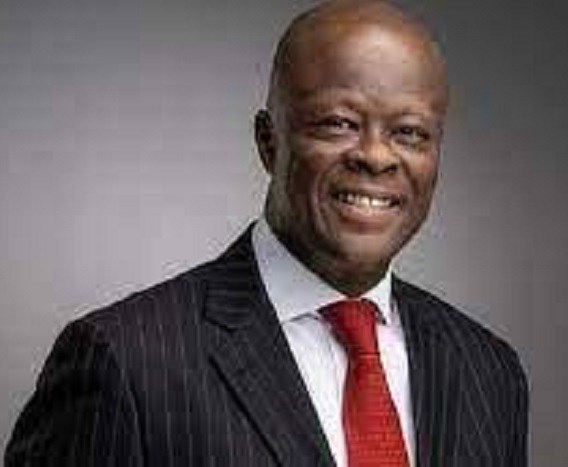
Finance Minister Wale Edun, who also chairs the G24 group of developing nations, noted on Monday in a statement that while soaring crude prices have bolstered foreign exchange earnings for Africa’s top oil producer, the global shock has arrived at a “critical transition point” for the nation.
The Minister revealed that the conflict has led to a sharp spike in local energy costs, with petrol prices jumping over 50% to 1,330 Naira per litre. Diesel has seen an even steeper rise, climbing more than 70% to 1,550 Naira per litre.
“The shock is intensifying inflationary pressures and raising living costs for households,” Edun stated, noting that the price hikes are significantly impacting both citizens and small businesses.
The sudden economic strain poses a challenge to the structural reforms initiated by President Bola Tinubu in 2023. These reforms which include the removal of fuel and energy subsidies, currency devaluation, and tax overhauls were designed to stabilize the economy but are now facing headwinds from external shocks.
While the World Bank reported that inflation had eased to 15.06% in February (down from approximately 33% in late 2024), the current conflict has placed those gains under renewed pressure.
During the meetings in Washington, Edun plans to lead the G24 in advocating for:
-
Reduced Borrowing Costs: Seeking relief for developing nations facing high interest rates.
-
Fairer Global Financial Conditions: Ensuring more equitable access to international capital.
-
Targeted Support: Calling for increased backing for countries currently undergoing difficult domestic reforms.