

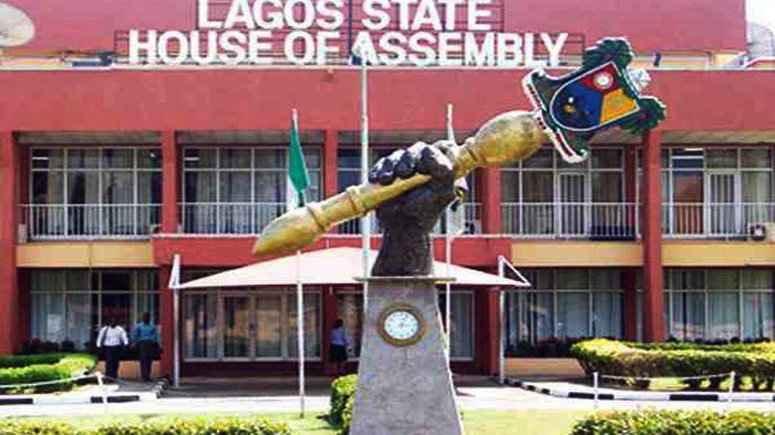
The bill is titled: ‘Lagos State Correctional Service Bill 2025.’
Obasa said the bill seeks to transform the justice system from a punitive approach to one focused on reform, rehabilitation, and reintegration into society.
He stressed the urgent need to move from punitive measures towards a more reformative justice model.
He said justice should empower individuals to rebuild their lives and contribute positively to the community.
The bill also aims to provide a legal framework for both custodial and non-custodial correctional measures in the state.
“This is a bold move to replace outdated prison models with modern correctional systems built on human dignity and social reintegration,” he said.
He added that justice must not only punish but also prepare inmates for meaningful reintegration into society.
Chairman, House Committee on Judiciary, Human Rights, and Public Petitions, Oladipo Ajomale, decried severe overcrowding in Nigeria’s correctional facilities.
Ajomale blamed the overcrowding mainly on the high number of pre-trial detainees.
He called for humane treatment of inmates and adequate structures for proper rehabilitation.
Ajomale urged the Federal Government to increase investments in correctional facilities across all states.
He also highlighted the challenges of reintegrating former inmates into society after their release.
“Reintegration remains a major global challenge.
“Society must welcome reformed ex-inmates and offer them a second chance,” he said.
House Majority Leader, Noheem Adams, while presenting an overview, said the bill contains 60 comprehensive sections.
He noted that the bill provides for medical care, family and legal visits, structured release, and proper documentation.
Attorney General and Commissioner for Justice, Mr Lawal Pedro, praised the initiative, calling the bill timely and visionary.
Pedro suggested renaming the bill to better reflect the distinction between custodial and non-custodial inmates.
He also called for clearer definitions of custodial, non-custodial, and correctional service terms.
Deputy Chief Registrar of the Ikeja High Court, Mrs. Bolanle Osunsanmi, said many inmates are young people with families outside Lagos.
She proposed liaison offices for post-release support and virtual hearings to reduce detention delays.
Mr. Rotimi Oladapo, representing the Nigerian Correctional Service, applauded Lagos’ move to establish state-run correctional centres.
Oladapo also emphasised the importance of separating custodial from non-custodial operations in implementation.
CSP Charles Akinrosoye of the Lagos Police Command proposed transitional programmes and infrastructure guidelines for future correctional facilities.
Mrs. Joke Aladesanmi, of the Centre for Legal Support and Inmates Rehabilitation, noted the absence of true rehabilitation services in many centres.
She urged lawmakers to address mental health, education, and the link between sentencing and rehabilitation.
Mr. Alabi Muftau, Executive Director of Inmates Educational Foundation, urged stronger partnerships with civil society and youth representation on the correctional board.
Muftau also advocated prioritising education programmes to ease reintegration into society.
He called for collaboration with religious bodies involved in inmates’ moral reformation and reforms to accelerate court processes. (NAN)