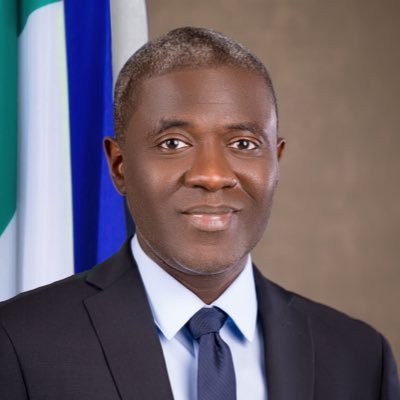
Aminu Maida EVC NCC
August 15, 2025
The Nigerian Communications Commission (NCC) has announced a significant boost in capital inflows into the country’s telecommunications sector, with mobile network operators projected to invest more than $1 billion in expanding and upgrading infrastructure before the end of 2025.
This investment boom comes on the heels of recent regulatory reforms designed to revitalise the sector after years of stagnation.
Dr. Aminu Maida, Executive Vice Chairman and CEO of the NCC disclosed this during a media interactive session in Lagos on Friday.
According to him a move back to market-driven pricing in January ended a decade-long period of stagnant tariffs, thereby unlocking investment opportunities and enabling operators to embark on large-scale infrastructure projects.
“We made a challenging decision earlier this year to return to principles that fueled growth in the 2000s, allowing market forces to set fair prices.
“This industry evolves rapidly the world is already discussing 6G, and Nigeria must remain competitive. The capital commitments unlocked this year have put us back in the race.”
He noted that this marks the first time in over three years operators have made significant equipment purchases, with shipments arriving since June. The expected investments will fund upgrades to existing base stations, construction of new sites, and expansion of fibre optic backbones, starting in the North Central region.
Maida highlighted that for nearly ten years, mobile operators were restricted by price controls that prevented tariff adjustments despite inflation, Nigeria’s currency depreciation, and rising operational costs.
This contrasted with other parts of the telecom value chain, such as wholesale fibre providers, which continued to adjust prices freely.
“This imbalance led to a situation where growth was only possible through reinvested earnings, with no space for expansion. The recent reforms have restored investor confidence among local and foreign stakeholders alike,” he noted.
Addressing the sector’s high import dependency, Maida remarked that every component required to build and operate mobile networks, from radio hardware to software is imported.
“The sector also consumes over 40 million litres of diesel monthly, much of it imported, although he expressed hope that Nigeria’s developing refining capacity will help ease foreign exchange pressures.
Security Concerns
Security concerns, including vandalism, theft of generators, and frequent fibre cuts, remain serious challenges.
The NCC noted that it has introduced stricter site security standards, launched a public awareness campaign, and is preparing to establish a rapid response force in collaboration with the Office of the National Security Adviser.
For nearly ten years, mobile operators were hampered by price controls that prevented tariff adjustments despite inflation, currency depreciation, and rising operational expenses. Meanwhile, other telecom segments, such as wholesale fibre providers, continued to adjust prices freely, leading to an uneven playing field.
“This scenario limited growth to reinvested earnings, with no room for expansion. The recent reforms have restored investor confidence among both local and foreign stakeholders,” Dr. Maida explained.
Additionally, the Commission said it plans to sign a memorandum of understanding with the Federal Ministry of Works to better coordinate road construction and prevent accidental damage to telecom infrastructure. A new digital platform will facilitate communication between ministries and operators regarding planned works and potential service disruptions.
“The benefits of these reforms will be seen in sustainability and competitiveness going forward,” he added.
Reporting by Theresa Igata