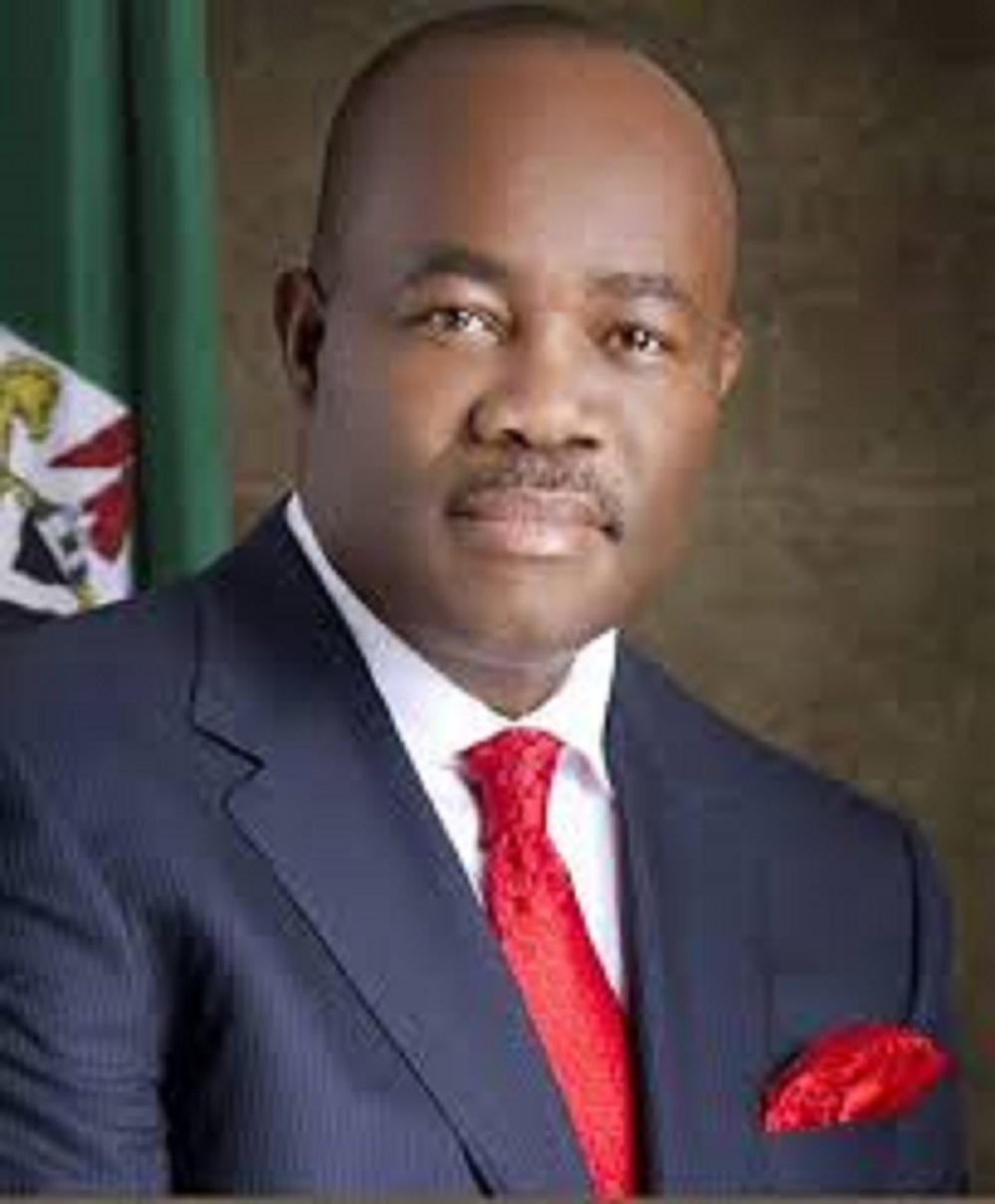
Godswill Akpabio
Akpabio outlined what many regarded as an ambitious vision for a model state in particular and regional development in general.
Some speeches disappear with the applause that greets them. Others acquire greater force with the passing of time. Their words do not change; history simply grows into them. Years later, they resonate with fresh power, not because they have been rewritten, but because the nation has finally arrived at the realities they foresaw.
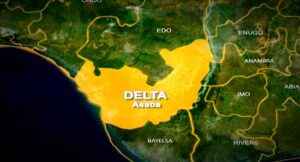
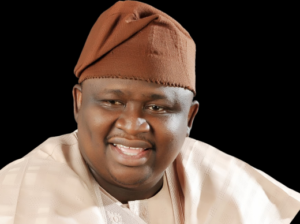
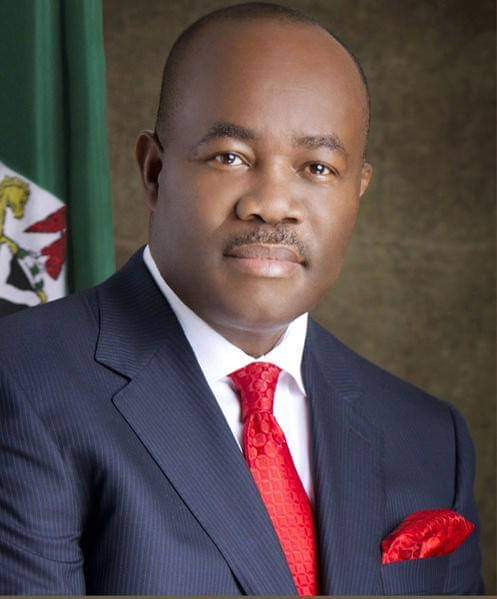
One such speech was delivered in April 2012 at the 2nd South South Economic Summit in Asaba. There, Senator Godswill Akpabio, then Governor of Akwa Ibom State, presented what many regarded as an ambitious vision for maritime corridor and blue economy development.
Speaking before political leaders, investors, and development stakeholders at the 2nd South South Economic Summit in Asaba, Akpabio outlined what many regarded as an ambitious vision for a model state in particular and regional development in general. Long before the Ibom Deep Seaport became a national priority, he argued that Nigeria needed new maritime gateways, integrated industrial clusters, aviation maintenance facilities, and modern logistics infrastructure to unlock economic growth. His vision was not simply about building a port; it was about creating an economic ecosystem capable of transforming a region and strengthening the nation’s competitiveness.
Fourteen years later, those remarks read less like political advocacy and more like an economic blueprint whose underlying logic has steadily been vindicated by events and times. Looking back today, his address appears almost prophetic—not because it predicted the future in mystical terms, but because Nigeria has gradually grown into the ideas it contained.
Truly visionary speeches never fade; they gather strength with time. This one deserves renewed attention, not because every prediction has materialised exactly as envisioned, but because it reveals a quality increasingly scarce in public leadership: the ability to think beyond electoral cycles.
Nigeria has never lacked projects. What it has often lacked are leaders willing to imagine the infrastructure of tomorrow while grappling with the demands of today. Akpabio’s vision was shaped by precisely that instinct.
At a time when public discourse was largely focused on roads and recurrent expenditure, he spoke instead of logistics corridors, industrial ecosystems, aviation maintenance, manufacturing clusters, export processing zones, maritime and blue economy opportunities, and security reform—not as isolated initiatives, but as interconnected pillars of national competitiveness.
His vision for the then proposed Ibaka Deep Seaport, now known as the Ibom Deep Seaport, best illustrates this broader philosophy. Rather than presenting it as another state prestige project, he framed it as a strategic response to structural inefficiencies in Nigeria’s maritime sector and the wider economy. He argued that the Lagos ports were already burdened by severe congestion, with vessels waiting for extended periods to berth, driving up costs, disrupting supply chains, and delaying the delivery of critical imports, including pharmaceuticals.
His objective, however, was never to rival Lagos, but to complement it. The distinction is fundamental. No major trading nation concentrates all its strategic maritime infrastructure within a single corridor. Successful economies spread capacity, ease bottlenecks, and create multiple gateways through which commerce can flow efficiently. Nigeria has long recognised this principle in policy documents; Akpabio was among the few public leaders articulating it so clearly more than a decade ago.
Equally significant was his emphasis on geography. He reminded his audience that Ibaka possessed a naturally deep coastline requiring little or no dredging, with water depths of approximately fifteen to seventeen metres. According to his account, the location had been identified as suitable for a deep seaport as far back as 1963, yet decades passed without meaningful progress. His observation that “being a minority area, there was nobody to push it” reflected a broader concern that strategic national investments have too often been influenced by political considerations rather than economic merit.
Whether one agrees entirely with that assessment is, in many respects, secondary. The larger point is that Akpabio consistently argued that national infrastructure should be driven by economic logic, strategic necessity, and long-term national interest rather than sentiment or political convenience. More than a decade later, that remains a lesson Nigeria is still striving to learn.
Yet, to see the 2012 Asaba address merely as a speech about a deep seaport is to miss its larger significance. The Ibom Deep Seaport was never presented as an end in itself. It was conceived as the anchor of a much broader economic ecosystem—a platform around which industries, manufacturing, aviation, logistics, free trade, and investment could flourish.
Akpabio envisioned the acquisition of about 14,000 hectares of land to support a self-sustaining industrial city comprising fertiliser and ammonia plants, refining capacity, manufacturing facilities, and a Free Trade Zone. What development economists today describe as industrial clustering was already embedded in his thinking. The port was simply the gateway.
That broader vision deserves a discussion of its own. Today,Ibom Deep Seaport in that Asaba Speech has berthed.
Ken Harries Esq is an Abuja based Development Communication Strategist