



Decade of Gas: Nigeria Targets 12bcfd Supply by 2030, Identifies $22bn Priority Projects
…As FG Tracks 215 Gas Projects to Boost Power Sector, Regional Integration
The “Decade of Gas Secretariat” says Nigeria is driving a regional gas ecosystem in West Africa, with a target of supplying 12 billion cubic feet per day (bcfd) by 2030.
The secretariat said that Nigeria had identified 16 key gas infrastructure projects, requiring an estimated 22 billion dollars in investment to develop additional capacity, connecting gas supply and demand.
The Coordinating Director of the Decade of Gas Secretariat, Mr. Ed Ubong, disclosed this on Monday in Abuja at a Ministerial Roundtable on Regional Gas Development and Cooperation in Africa.
The Roundtable was organised by the secretariat in collaboration with the World Bank.
Providing updates on progress, Ubong said that Nigeria’s gas production rose from about 6.8bcfd in 2023 to 7.5bcfd in 2025, reflecting growing collaboration among government, regulators and investors.
He said that over 215 demand-driven projects were currently being tracked through a centralised system to ensure coordinated execution and accountability, while several upstream investments have reached Final Investment Decision stages.
“16 priority gas infrastructure projects in Nigeria have been identified with four already in execution.
“To improve power sector liquidity, existing debts need to be cleared and actions taken to prevent further debt build-up,” he said.
He identified gas-to-power and increased domestic use of Liquefied Petroleum Gas (LPG) as two major focus areas, underscoring their importance in improving electricity supply and promoting cleaner cooking alternatives.
Ubong said that improving power supply remained central to the initiative, requiring coordinated action across relevant ministries and industry stakeholders.
While giving an overview of the Decade of Gas vision, priorities, successes and challenges, he said public-private partnerships would be crucial to the priority projects delivery and diving regional energy transformation.
He, however, said that achieving this goal would require a balance between supply and demand, as well as cross-border alignment on infrastructure and energy planning.
He reaffirmed Nigeria’s commitment to leveraging its vast gas resources to drive economic growth and regional energy integration across Africa.
He said that the increase would be supported by the distribution of over five million gas cylinders to encourage cleaner energy use.
He acknowledged the development partners and key industry stakeholders, including representatives of the World Bank, regulators and project sponsors, adding that their role was critical in advancing funding and collaboration in the gas sector.
Ubong said that the session was designed to explore Africa’s gas landscape, with expert insights and targeted discussions.
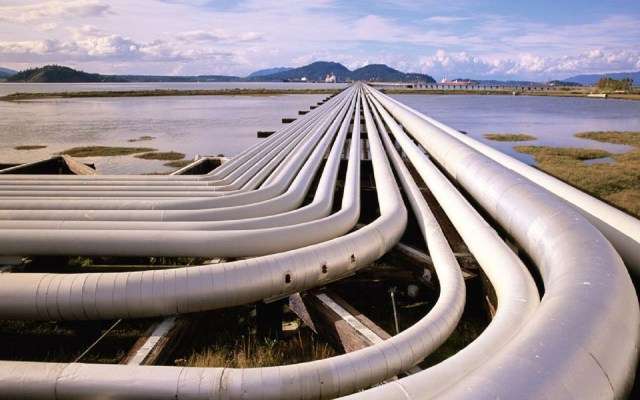
He said that it was aimed at strengthening collaboration between financiers and project developers, while also identifying practical solutions for efficient gas transportation across the continent.
He traced the origin of Nigeria’s current gas drive to the 2021 declaration of the Decade of Gas, describing it as a strategic shift in the country’s energy focus.
He said that the initiative had continued to receive strong backing from President Bola Tinubu under the “Gas for Nigeria’s Prosperity” agenda, alongside sustained efforts by the Minister of State for Petroleum Resources (Gas).
According to him, the establishment of a dedicated secretariat in 2023 helped streamline implementation, with key priorities including unlocking gas resources, expanding infrastructure, ensuring competitive pricing, boosting demand and building human capacity.
(NAN