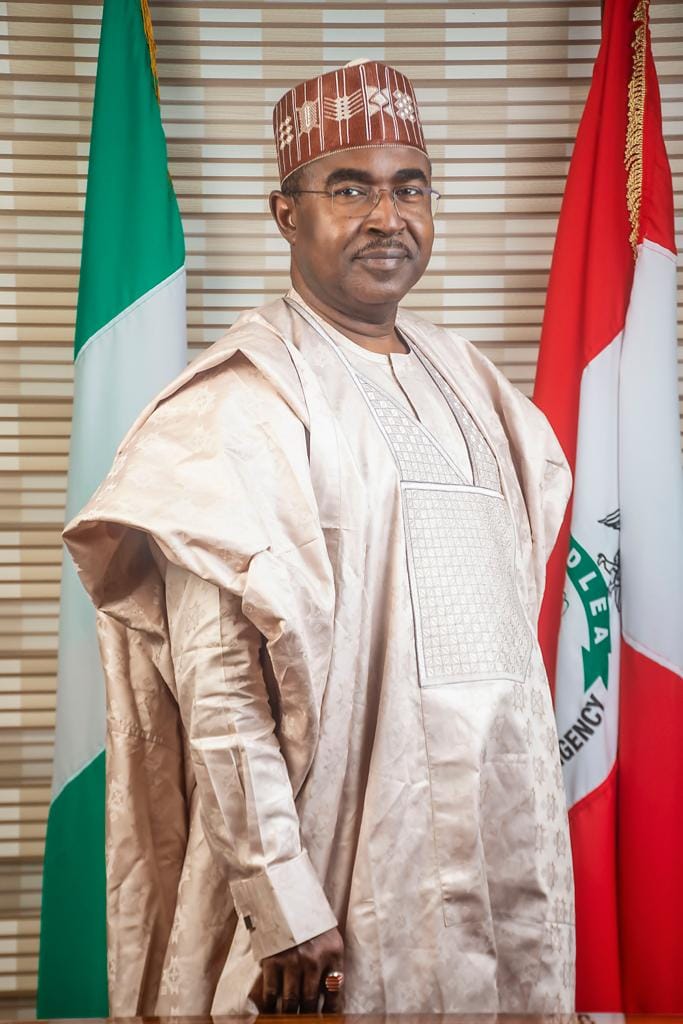
Chairman EFCC, Brig. Gen. Mohamed Buba Marwa (retd),

International heavyweight partners, including the European Union (EU), the United Nations Office on Drugs and Crime (UNODC), and the Economic Community of West Africa (ECOWAS), have pledged strong support for Nigeria’s upgraded strategy to combat substance abuse and illicit trafficking over the next five years.
In a statement on Monday by the spokesperson of the NDLEA, Femi Babafemi, the commitments were made on Monday during the opening session of a two-day consultative forum in Abuja. Organized by the National Drug Law Enforcement Agency (NDLEA), the forum focuses on finalizing the “Zero Draft” of the National Drug Control Master Plan (NDCMP) 2026–2030.
Why Complacency is Not an Option
NDLEA Chairman/Chief Executive Officer, Brig. Gen. Mohamed Buba Marwa (Rtd), delivered a sobering reality check to attendees, warning that the illicit drug landscape is rapidly shifting from traditional trafficking to high-tech, synthetic operations.
“Nigeria cannot afford to be a passive observer. The risks to our youth, our workforce, and our national security are too high. This forum is therefore our battle room for the next five years,” Marwa said.
He highlighted several critical alarms raised by global data:
The 2030 Spike: UNODC projections forecast a 40% surge in drug use across Africa by 2030.
The Transit Corridor: Recent data from the Global Initiative Against Transnational Organized Crime (GI-TOC) confirms West Africa remains a high-pressure corridor for cocaine moving between Latin America and Europe.
The Digital Frontier: Traffickers are increasingly using encrypted communication platforms and the dark web to shield their operations and financial assets from traditional law enforcement.
Inside the 2026–2030 Master Plan
To counter these emerging threats, Nigeria’s new five-year roadmap introduces two critical strategy pillars:
Alternative Development and Sustainable Livelihoods: This pillar aims to dismantle the socio-economic drivers of the drug trade by offering vulnerable communities legitimate economic alternatives to illicit drug cultivation and trafficking.
Financial Intelligence Disruption: Moving beyond physical seizures, the NDLEA will heavily leverage financial intelligence to choke off the financial lifeblood and money-laundering networks of drug cartels.
Strong International and Local Backing
Representatives from global and domestic institutions praised the NDLEA’s recent successes and reaffirmed their long-term commitment to the new master plan.
Mr. Zissimos Vergos, Deputy Head of the EU Delegation to Nigeria and ECOWAS, emphasized that European security and Nigerian stability are deeply intertwined.
Quote: “What affects the youth of Maiduguri or the streets of Ibadan does not stay within Nigerian borders… We are here today as partners to build this together.”
Vergos noted that the EU has updated its own drug strategy to prioritize stronger international cooperation.
Mr. Chiekh Ousmane Touré, UNODC Country Representative, warned of the rising sophistication of synthetic drug networks. He promised that the UNODC will continue providing global expertise, data-driven strategies, and technical support to ensure Nigeria’s response remains people-centered and sustainable.
Dr. Daniel Amankwaah, Commissioner for Human Development and Social Affairs at the ECOWAS Commission, revealed that Nigeria’s master plan serves as a vital blueprint for the region. ECOWAS uses its contents to help shape the anti-drug policies of other West African member states.
Legislative Support: The forum also received strong backing from the Senate Committee on Drugs and Narcotics, led by Senator Joseph Igiagbe Ikpea, and the National Orientation Agency (NOA).