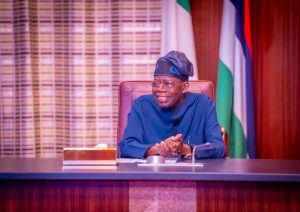
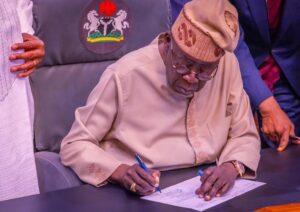
Frequent presidential meetings are turning potential into delivery, with fertilizer, seeds, livestock, and trade forming the backbone of a new era in South-South cooperation.

- For decades, Nigeria and Brazil — two giants of the Global South — circled each other with promise but little follow-through. Today, that is changing. The frequency of meetings between Presidents Bola Ahmed Tinubu and Luiz Inácio Lula da Silva is creating momentum we have not seen before.
- When two giants have been asleep, waking them up requires leadership at the very top. Without the cadence of these presidential meetings, the relationship might again slip into words without action. Each encounter has demanded progress — whether clearing bottlenecks, opening markets, or signing new commitments. Most importantly, this leadership revived the Strategic Dialogue Mechanism (SDM) — due in 2015 but neglected until now. By reactivating this platform, old agreements have been renewed, new ones signed, and long-standing issues finally addressed. That seriousness has created the space for real delivery, with food systems and agribusiness at the forefront.
- Food systems and agribusiness stand out as the most natural and mutually beneficial pillars. Nigeria’s vast arable land, youthful workforce, and urgent food security challenge meet Brazil’s unmatched expertise in tropical agriculture and advanced agribusiness systems. The equation is powerful — and it is already producing results.
- The $1.1 billion Green Imperative Program (GIP) is the flagship of this partnership, designed to stimulate 780 mid-sized agribusinesses as the backbone of transformation. By equipping them with Brazilian technology, equipment, and know-how, these firms will anchor value chains, generate jobs, and create ripple effects across rural economies. Crucially, they will integrate thousands of smallholder farmers as outgrowers — ensuring that the benefits of modernization extend from commercial hubs to village farms. Alongside the GIP, a $100 million Seed Program is being developed to expand access to improved, climate-smart seeds, while $200 million in credit lines will support mechanization and equipment purchases. All of these initiatives are private-sector led, ensuring they strengthen market systems and remain sustainable beyond short-term subsidies.
- Value chain development is also accelerating. At the Africa Ministerial gathering in Rio this May, Nigeria and Brazil signed an MOU to advance the soybean, cassava, and agroforestry value chains — creating opportunities for processing, trade, and sustainability that will benefit both Nigerian producers and Brazilian partners.
- Research collaboration adds another critical layer. At the Strategic Dialogue Mechanism (SDM) held in Abuja in June 2025, Nigeria entered into a strategic partnership with Embrapa, Brazil’s world-renowned agricultural research institute, to strengthen our own research institutions, build capacity, and exchange genetic resources. Practical cooperation is already underway: Nigerian agribusinesses are importing Girolando dairy cows and benefiting from Brazilian embryo transfer technology, boosting Nigeria’s dairy sector and reducing reliance on imported milk powder. While Brazil shares its dairy and crop technologies with us, Nigeria in turn offers unique indigenous assets like ginger and shea nuts, which can enrich Brazil’s agricultural diversity and research base.
- Market access is also expanding. Phytosanitary protocols are being finalized to allow Brazilian apples into Nigeria and Nigerian hibiscus and sesame into Brazil. In parallel, regulatory engagement with ANVISA, Brazil’s health regulator, is clearing the way for Nigerian shea butter and oil — a major boost for processors and rural communities.
- Fertilizer is the newest and perhaps most strategic frontier. Brazil is already the largest buyer of Nigerian urea, but the two countries are now moving beyond trade. Discussions are advancing on fertilizer joint ventures that will leverage Nigeria’s vast natural gas reserves to co-invest in production — a $4 billion opportunity. This would secure a more stable supply for Brazilian farmers, reduce exposure to global price volatility, and create jobs and technology transfer opportunities in Nigeria. In one stroke, both sides strengthen their food security and deepen their economic ties.
- Equally important are the private-sector linkages that have grown alongside these presidential encounters. Each high-level visit has been paired with business forums, bringing together agribusiness leaders from both countries. Nigeria has hosted Brazilian investors across its regions, while this state visit to Brazil has seen both large-scale and mid-sized Nigerian agribusinesses showcase their potential. Each successive forum has grown in size and ambition, a sign that the opportunities are resonating beyond government circles and into boardrooms and farms alike. To sustain this, Brazil has already posted an Agricultural Attaché in Abuja to deepen technical and commercial collaboration, and ApexBrasil — Brazil’s trade and investment promotion agency — is now preparing to open a permanent office in Abuja to help Brazilian companies invest, trade, and co-create with Nigeria, and vice versa.
- Climate change adds urgency to this collaboration. Both nations are already experiencing its impact — from droughts in Brazil to floods and desertification in Nigeria. Strengthening food systems through resilient seeds, efficient fertilizer use, modern mechanization, and smarter market integration is not just about trade; it is about survival. By joining forces, Nigeria and Brazil can demonstrate how South-South cooperation can deliver climate-smart agriculture at scale.
- Momentum is now backed by accountability. The recent signing of the Political Consultation MOU, establishing a monitoring and evaluation mechanism between the two countries, underscores this seriousness. It is itself proof of the commitment born from twelve intense months of presidential engagement — a guarantee that words will be tracked against actions.
- President Tinubu promised Nigerians Renewed Hope. This State Visit is proof of that promise taking shape — not in words, but in action. By reviving long-neglected platforms, removing bottlenecks, and finalizing agreements that open real opportunities, Tinubu has shown that Nigeria can lead and partner with equals on the global stage. With Brazil as a willing ally, two giants are finally awake and moving, and the momentum now lies with Nigeria’s farmers, agribusinesses, and innovators to seize this moment and turn it into lasting prosperity.