





Broken Lives, Unmet Promises: The Urgent Call to End Nigeria’s ‘Shadow Pandemic’ of Sexual Violence
For 30-year-old Jane Matthew (not her real name), the scars of the past are not just memories; they are a living, breathing cycle of trauma.
A survivor of rape at age 20, a violation that resulted in her first child, Jane recently recounted in tears how history has cruelly repeated itself: her 10-year-old daughter has now also fallen victim to sexual violence.
Their story is a harrowing testament to the pervasive vulnerability of women and girls in Nigeria, a vulnerability shared by thousands, including those lured by the false promise of a better life abroad.
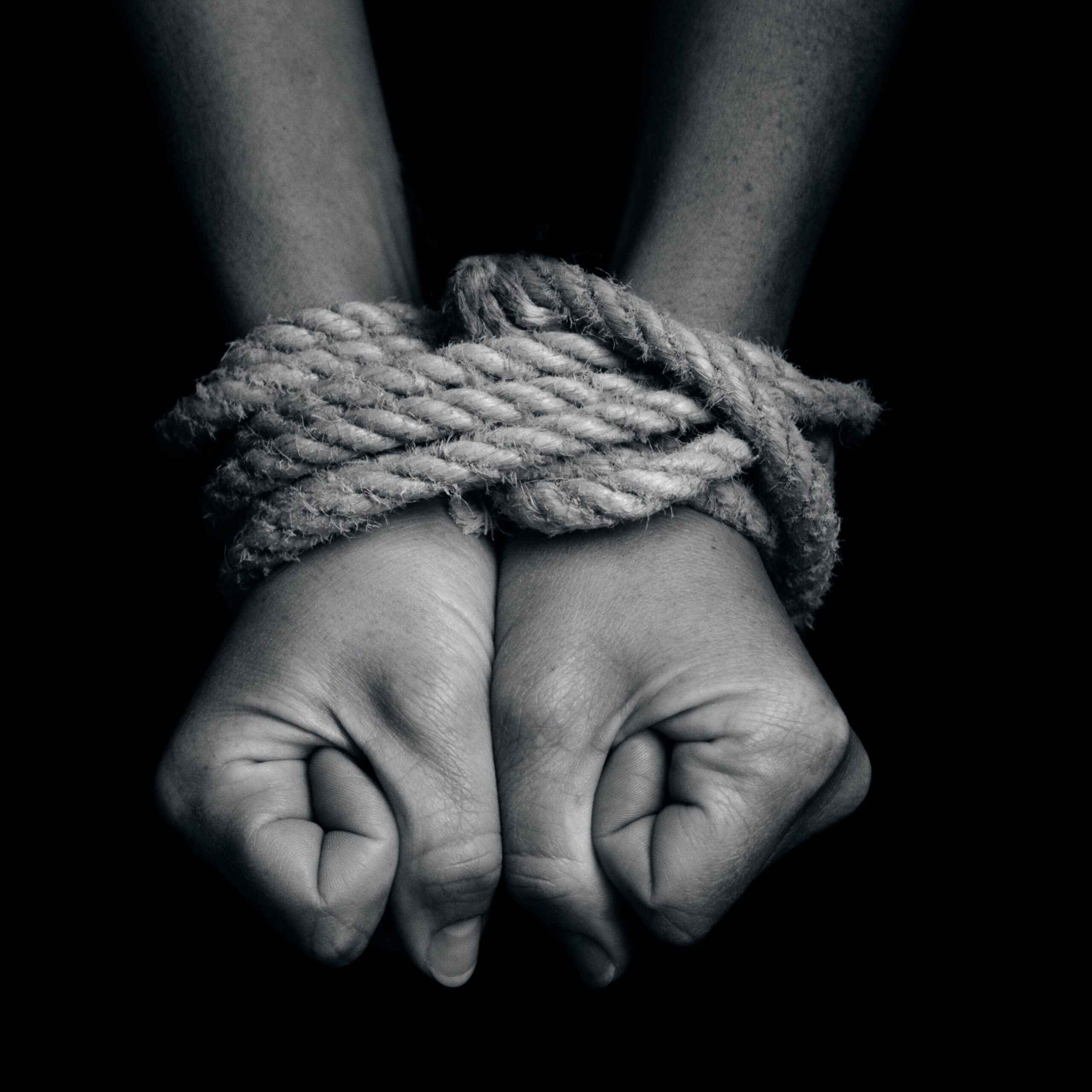
One survivor of human trafficking narrated how she was promised a lucrative job in Europe, only to be diverted and exploited in Burkina Faso. She never saw the Mediterranean, let alone the “promised land.”
These accounts are not isolated incidents; they are the human faces of a systemic crisis that experts say remains at the “front burner” of contemporary 21st-century issues.
In 2026 the federal budget has seen a landmark 97% increase in the allocation for the Ministry of Women Affairs, rising to N154.3 billion.
Experts have however warned that money alone cannot buy safety without deep-seated legal and cultural reform.
The Domestication Gap
Though Nigeria signed and ratified the Maputo Protocol (the Protocol to the African Charter on Human and Peoples’ Rights on the Rights of Women in Africa) treaty in 2003 and 2004, its provisions have yet to be fully woven into the fabric of national law, leaving many survivors without a clear path to justice.
Rev. Sister Justina Nelson, of the Religious Sisters of Charity (RSC), has spent years on the frontlines, rehabilitating survivors in Lagos, Ibadan, Port Harcourt, and Delta State.
“The magnitude of the impact on this vulnerable group is immeasurable,” Sister Nelson told Politicaleconomistng that “Perpetrators prey on those brought to work as maids, some of whom have been trafficked without even being aware. This is a double tragedy.”
A Call for Structural Change
The Justice Development and Peace Centre (JDPC) in Lagos has emphasised that the government cannot fight this battle in isolation. They are calling for robust private sector partnerships to bridge the gap in funding and awareness.
According to JDPC and other gender experts, the roadmap to curbing Violence Against Women (VAW) and Sexual and Gender-Based Violence (SGBV) requires three critical pillars:
Specialised Shelters: Establishing at least one fully equipped shelter across each of the six geopolitical zones to provide safe haven and professional counseling for survivors.
Education Reform: Integrating gender education into the national curricula at all levels to dismantle the “patriarchal sentiments” and “sexually pervasive culture” that allow rights violations to go unchecked.
The Statistics of Silence
Recent data from the National Human Rights Commission (NHRC) underscores the urgency. In May 2025 alone, the commission recorded 3,361 cases of domestic violence and 1,152 incidents of sexual violence nationwide. Experts believe these figures represent only a fraction of the reality, as stigma and institutional barriers prevent many from speaking out.
As Nigeria moves through 2026, the demand from survivors like Jane Matthew is clear: they do not want just sympathy or “figures on paper.” They want a country where the Maputo Protocol is a living shield, where “Europe” isn’t a trap for the desperate, and where a 10-year-old girl can grow up without inheriting the trauma of her mother.
Reporting by Theresa Igata (Senior Correspondent)